The Self that never dies
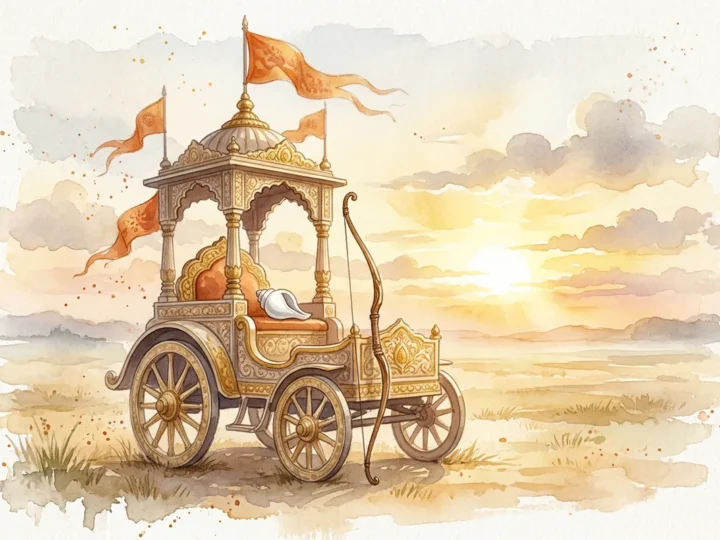
Arjuna asks for help, and Krishna begins to teach. He speaks about the Self that is never born and never dies.
Today's key verse
न जायते म्रियते वा कदाचिन्नायं भूत्वा भविता वा न भूयः ।
अजो नित्यः शाश्वतोऽयं पुराणो न हन्यते हन्यमाने शरीरे ॥
na jāyate mriyate vā kadācinnāyaṃ bhūtvā bhavitā vā na bhūyaḥ
ajo nityaḥ śāśvato'yaṃ purāṇo na hanyate hanyamāne śarīre
He is not born, nor doth he die; nor having been, ceaseth he any more to be; unborn, perpetual, eternal and ancient, he is not slain when the body is slaughtered.
Chapter 2: The undying Self and the yoga of balance Chapter summary
सञ्जय उवाच ।
तं तथा कृपयाऽऽविष्टमश्रुपूर्णाकुलेक्षणम् ।
विषीदन्तमिदं वाक्यमुवाच मधुसूदनः ॥
sañjaya uvāca
taṃ tathā kṛpayā''viṣṭamaśrupūrṇākulekṣaṇam
viṣīdantamidaṃ vākyamuvāca madhusūdanaḥ
Sanjaya said: To him thus with pity overcome, with smarting brimming eyes, despondent, Madhusûdana spake these words:
श्रीभगवानुवाच ।
कुतस्त्वा कश्मलमिदं विषमे समुपस्थितम् ।
अनार्यजुष्टमस्वर्ग्यमकीर्तिकरमर्जुन ॥
śrībhagavānuvāca
kutastvā kaśmalamidaṃ viṣame samupasthitam
anāryajuṣṭamasvargyamakīrtikaramarjuna
The Blessed Lord said: Whence hath this dejection befallen thee in this perilous strait, ignoble, heaven-closing, infamous, O Arjuna?
Something to think about
What changes in how you see a hard day if part of you is never touched by it?
The day's introduction and question were written by Satsang Space. The verses are from Annie Besant's translation.
Sources
- The Bhagavad-Gita, translated by Annie Besant (4th edition, 1922), on Wikisource. The Sanskrit text and the English translation are copied word for word from this edition. Besant's footnotes are left out.
- The transliteration is made from the Sanskrit using the standard IAST system.
Annie Besant's translation was first published in 1895 and is in the public domain. Teachers and traditions explain the Gita in many ways; the summaries here only describe what the verses say.