Hindu, Nepal; a major new year for the Tharu and Magar communities
Maghe Sankranti
Also called Maghi, Maghe Sakrati, Maghi (Tharu new year)
Maghe Sankranti is Nepal’s winter festival marking the sun’s northward turn. Families bathe at holy river confluences, eat warming foods like sesame, molasses, ghee and sweet potatoes, and married daughters visit their parents. For the Tharu people it is their new year, Maghi.
Why it is celebrated
Like Makar Sankranti in India, it marks the start of Uttarayana and the end of the coldest days.
Warming winter foods are eaten for health, and elders give blessings to the young.
What people do
- Holy bathing at river confluences such as Devghat and at Sankhamul in Lalitpur
- Family gatherings, with blessings from elders
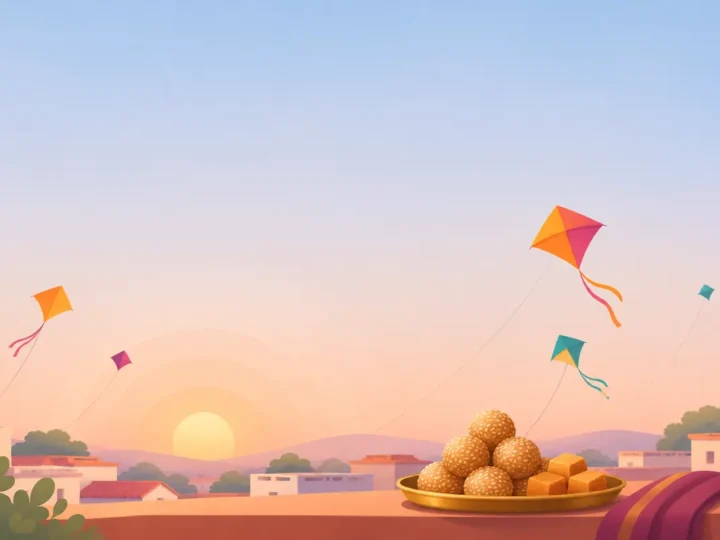
- Eating chaku (molasses), til laddoo, ghee, sweet potato and taro
- Tharu Maghi celebrations with dance, new year customs and community gatherings
Across India and beyond
A national holiday
Maghi is their main festival and new year
Joining in for the first time
- Share winter foods with neighbours; a greeting of good wishes for the year is welcome
Bathing at the confluences
Before dawn, devotees bathe at sacred river confluences such as Devghat, where the Kali Gandaki and Trishuli meet, and at Sankhamul in Lalitpur, believing the winter bath brings purification and good health. Fairs and gatherings are held at many riverbanks.
Warming foods
The festival foods are chosen for the cold season: chaku (a sticky molasses sweet), sesame laddoos, ghee, sweet potatoes and yam. Married daughters and their families often visit their parents’ home for the festive meal and blessings. Try til laddoo and sweet potato with cumin.
Maghi for the Tharu
For the Tharu people of the Terai, Maghi is the new year and their biggest festival, marked with dancing, feasting and community meetings where village leaders are chosen and decisions are made for the year ahead. Magar communities also celebrate it widely. In India the same day is Makar Sankranti.
Questions people ask
Is this the same as Makar Sankranti?
Yes, it is the Nepali celebration of the same solar moment.
Read next
Sources
Customs differ between families, communities and regions. This page describes common practice; your family or temple may do things differently.