The six tastes
Ayurveda sorts food by taste, or rasa. The Charaka Samhita names six tastes and advises a diet that includes all of them Charaka, Sutra 7/41.
1. Tap foods to add them to your plate
2. Your plate
Your plate is empty.
Food tastes follow common Ayurvedic food lists and the Charaka Samhita where it names a food. Many foods have more than one taste.
The six tastes
| Taste | Elements | What Ayurveda says it does | Too much of it |
|---|---|---|---|
| Sweet (madhura) | Water and earth | Nourishing and strengthening; calms vata and pitta | Heaviness, sluggishness, weight gain |
| Sour (amla) | Earth and fire | Wakes up appetite and digestion | Thirst, a burning feeling, more pitta |
| Salty (lavana) | Water and fire | Helps digestion and softens food; calms vata | Thirst, more pitta, effects on skin and hair |
| Pungent (katu) | Air and fire | Spicy heat; clears the mouth and aids digestion; reduces kapha | Thirst, dryness, more vata |
| Bitter (tikta) | Air and space | Light and drying; refreshes the appetite | Dryness, weakness, more vata |
| Astringent (kashaya) | Air and earth | Drying and binding; calms kapha and pitta | Dry mouth, bloating, more vata |
Summarised from Charaka Samhita, Sutra 26/40–43 1.
Everyday foods for each taste
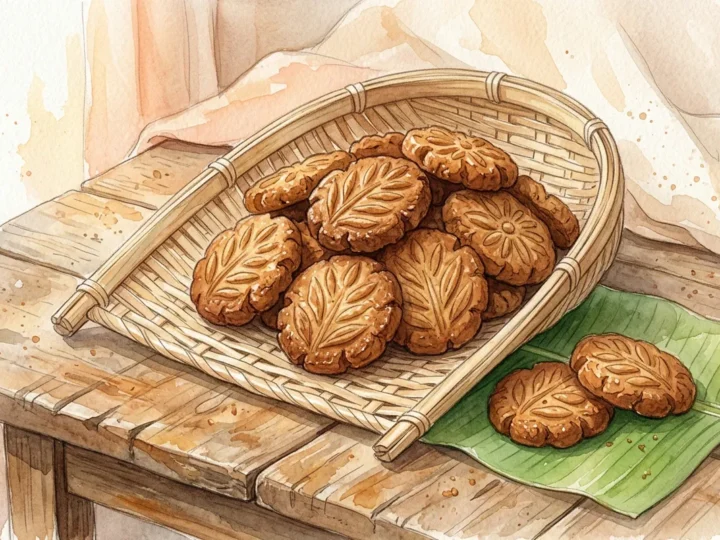
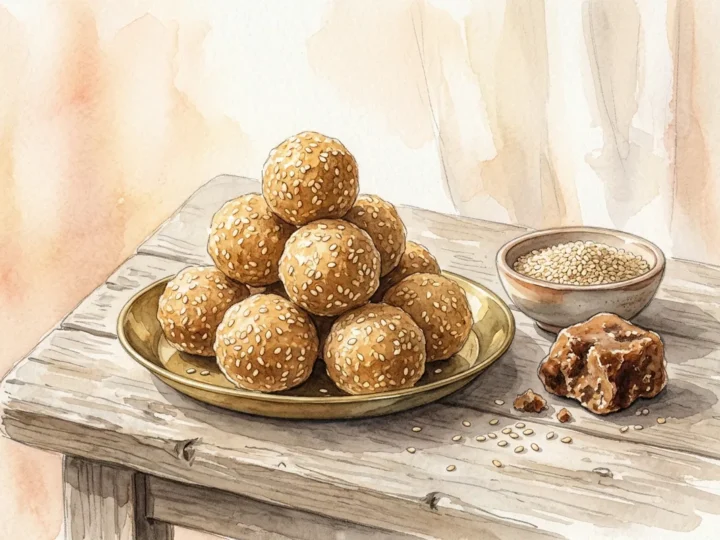
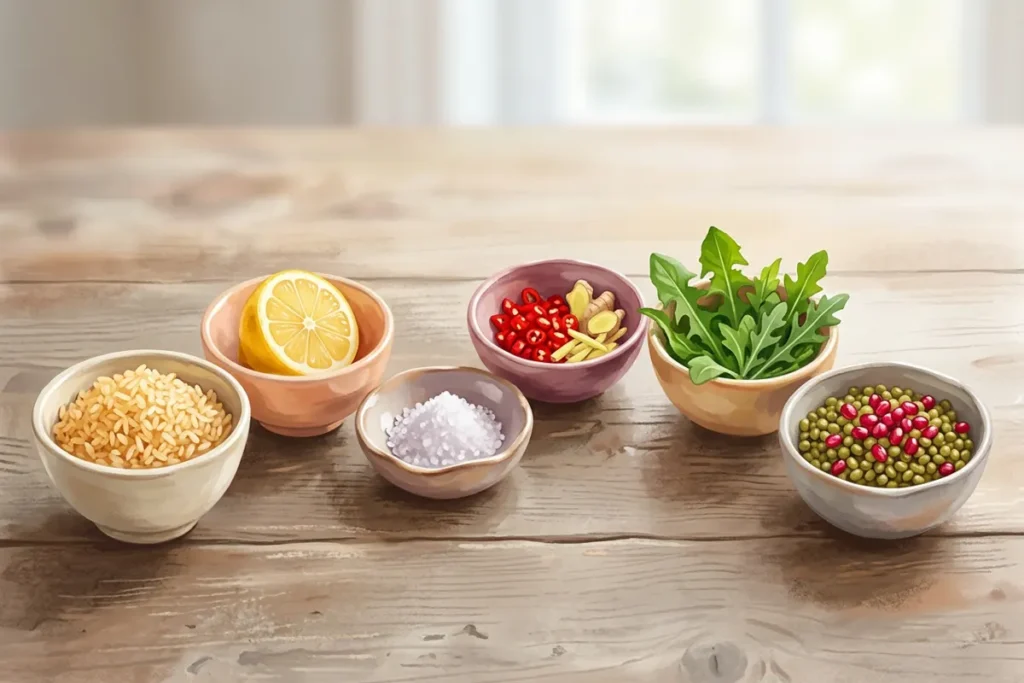
- Sweet: rice, wheat, milk, ghee, dates, ripe mango, sweet potato.
- Sour: lemon, lime, tamarind, yoghurt, amla.
- Salty: salt, including rock salt, which the texts rate as the best salt 2.
- Pungent: ginger, black pepper, chilli, mustard seed, asafoetida.
- Bitter: bitter gourd (karela), fenugreek, leafy greens, turmeric.
- Astringent: mung beans and other lentils, pomegranate, apple, many leafy greens.
Many foods have more than one taste. Amla, for example, is said to have every taste except salty 2.
How to use the tastes
You don't need to count tastes at every meal. A simple Indian thali already covers most of them: rice or chapati (sweet), dal (astringent), a vegetable with spices (pungent and bitter), a squeeze of lemon or some chutney (sour), and a pinch of salt. The texts also warn against eating too much of any single taste 1.
Sources
- Atreyabhadrakapyiya Adhyaya (tastes and incompatible food), Charaka Samhita, Sutra 26
- Annapanavidhi Adhyaya (food and drink), Charaka Samhita, Sutra 27
- Australian Dietary Guidelines review, NHMRC
- Naveganadharaniya Adhyaya (natural urges), Charaka Samhita, Sutra 7
Last reviewed 18 November 2026. Satsang Space shares general wellbeing information, not medical advice.