Hindu, especially the Valmiki community
Valmiki Jayanti
Also called Pargat Diwas
Valmiki Jayanti honours Maharishi Valmiki, the poet traditionally credited with the Ramayana and called the adi kavi, the first poet. Communities hold processions (shobha yatras), recitations of the Ramayana and gatherings at Valmiki temples.
Why it is celebrated
Valmiki is revered for giving the world the story of Rama and for his own transformation through devotion and penance.
The stories behind it
Ratnakar becomes Valmiki
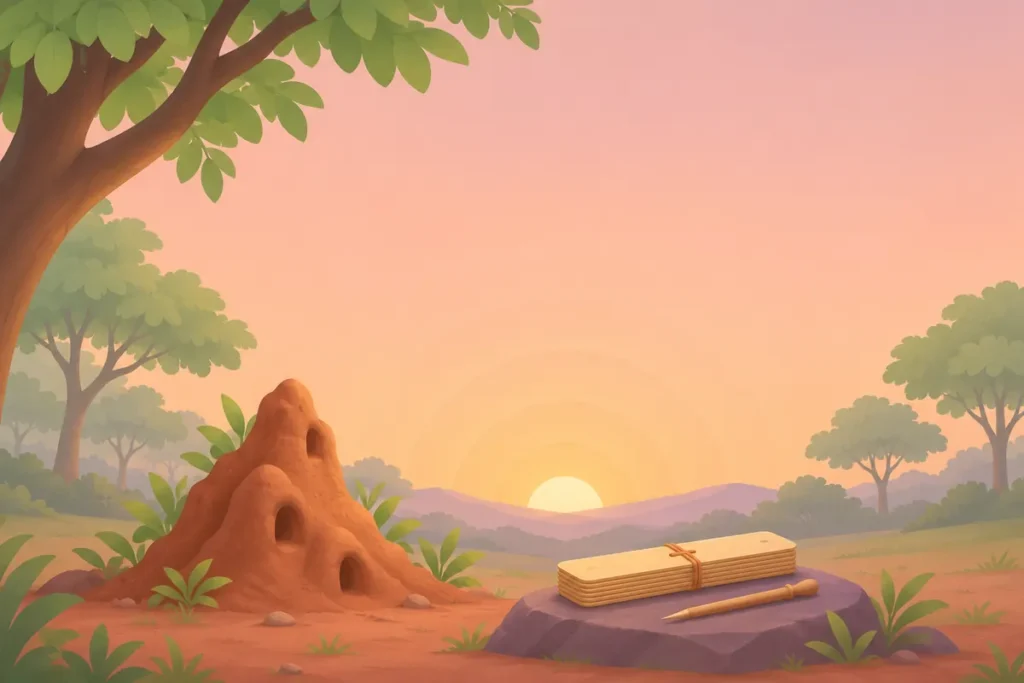
A popular tradition says Valmiki was once a highway robber named Ratnakar. When he tried to rob the sage Narada, Narada asked whether his family would share his sins. They would not. Shaken, Ratnakar began to meditate on Rama’s name so long that an anthill (valmika) grew over him, and he emerged as the sage Valmiki.
What people do
- Shobha yatras with images of Valmiki
- Recitation of the Ramayana
- Gatherings at Valmiki temples
Joining in for the first time
- Processions and programmes are open to everyone
From Ratnakar to Valmiki
A popular story tells that Valmiki was once Ratnakar, a highway robber. When the sage Narada asked him whether his family would share the burden of his wrongdoing, he found they would not. Shaken, he began to meditate on Rama’s name so deeply that an anthill (valmika) grew over him, and he emerged as the sage Valmiki. Tellings of the story vary.
The first poet
Valmiki is called the adi kavi, the first poet, and his Sanskrit Ramayana is called the adi kavya, the first poem. Tradition says that the shloka metre was born when he saw a hunter kill one of a pair of birds and spoke a verse of grief. In the Ramayana itself, Sita lives in his hermitage, where her sons Lava and Kusha are born.
How it is celebrated
In Punjab, Haryana and other parts of North India, Valmiki communities, who honour him as their spiritual guide, hold large shobha yatras, kirtans and langar. Temples and schools hold Ramayana readings. The day falls on Sharad Purnima. See also Rama.
Questions people ask
Did Valmiki write the Ramayana?
Tradition credits him with composing it; scholars date the text over several centuries.
Read next
Sources
Customs differ between families, communities and regions. This page describes common practice; your family or temple may do things differently.