Hindu, coastal Maharashtra, Goa and Gujarat
Narali Purnima
Also called Nariyal Purnima, Coconut Day
Narali Purnima is the coconut full moon. Fishing communities of the Konkan coast, especially the Kolis, offer coconuts to the sea and pray to Varuna, the god of the waters, for a safe and plentiful season as the monsoon storms ease and boats return to sea.
Why it is celebrated
After the monsoon break in fishing, the community asks the sea for safety and abundance.
The coconut is an offering that stands for purity and fulfilment.
What people do
- Offering coconuts and flowers to the sea
- Processions of decorated boats with music and dancing
- Koli songs and dances
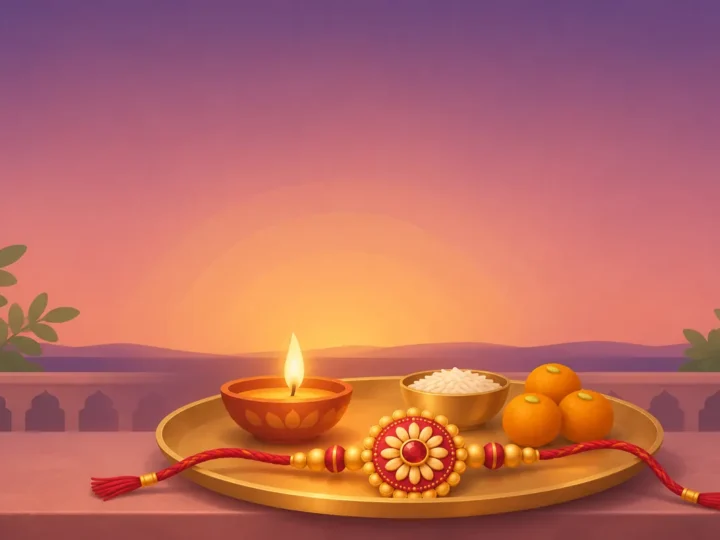
- Raksha Bandhan is celebrated on the same day
Joining in for the first time
- Seaside celebrations in Mumbai and the Konkan are public
Offering the coconut
On the full moon, fishing families walk in procession to the shore with decorated coconuts, flowers and lamps, singing and dancing to drums. They offer the coconuts to the sea, praying to Varuna for calm waters and a good catch. In many villages the decorated boats are also worshipped and taken out for the first time.
The Koli community
The Kolis are among the oldest fishing communities of Mumbai and the Konkan coast. On Narali Purnima, Koli women and men wear bright traditional clothes, and Koli songs and dances fill the fishing villages and beaches of Mumbai. Coconut sweets such as narali bhaat (coconut rice) are made at home.
A new fishing season
Fishing at sea usually stops during the stormiest monsoon months. Narali Purnima marks the traditional start of the new season as the storms ease. The same day is Raksha Bandhan and Avani Avittam.
Questions people ask
Why coconuts?
The coconut is a traditional offering, and coconut groves line this coast.
Read next
Sources
Customs differ between families, communities and regions. This page describes common practice; your family or temple may do things differently.